
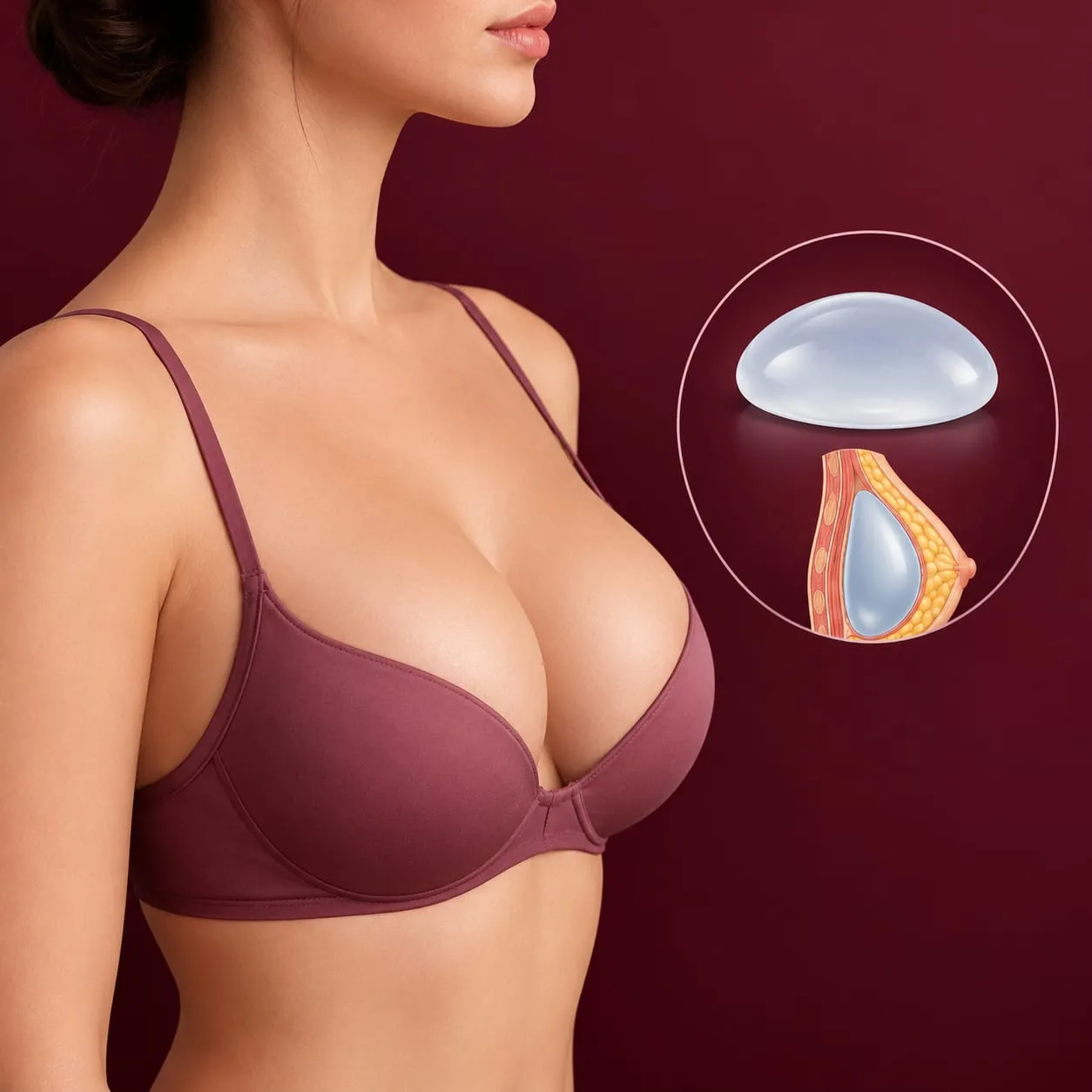
Surgical Breast Enlargement
Surgical options can increase breast volume or alter breast shape. Like all surgery, they carry risks, require informed consent and may involve future procedures.
Independent Patient Education
Confidence begins with clear, honest information.
Understand surgical and non-surgical breast enlargement options through clear explanations, published evidence and realistic limitations — before you speak to any clinic.
Three educational sections
Explore the options, then compare the evidence and safety considerations.
Surgical options can increase breast volume or alter breast shape. Like all surgery, they carry risks, require informed consent and may involve future procedures.
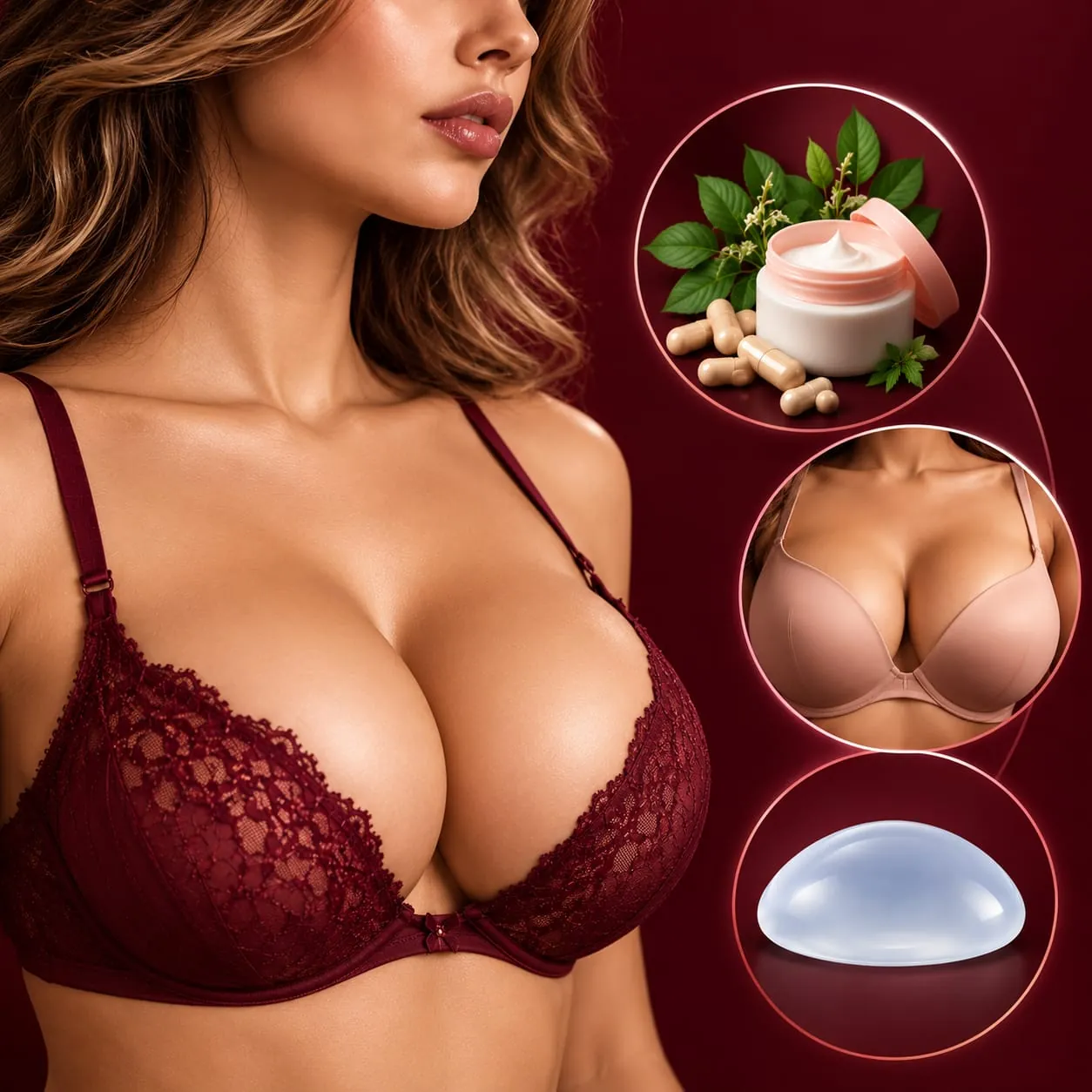
Understand what changes appearance, what has evidence for lasting volume, and which breast-enlargement claims are unsupported or unsafe.
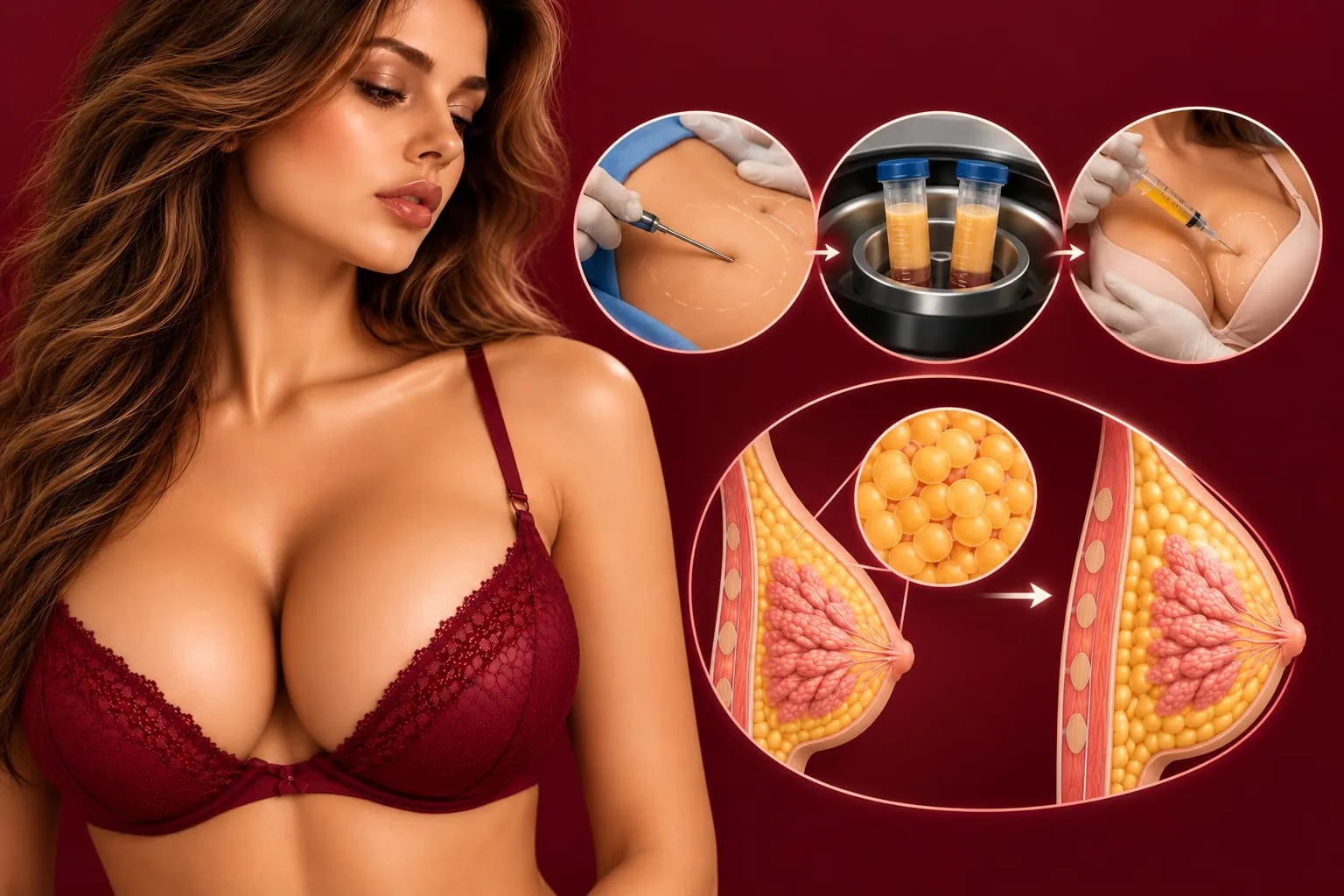
Shared information on anatomy, comparisons, candidacy, warning signs and the external evidence behind surgical and non-surgical options.
Our approach
Every person considering breast enhancement has different anatomy, health needs, preferences and expectations. This website is an educational resource, not a clinic, and it cannot recommend a treatment for any individual. Its purpose is to help you understand the choices before discussing them with a qualified clinician.
We explain what each option is intended to do and distinguish procedures designed to change breast volume from those that may affect appearance in other ways. A treatment being described as “non-surgical” does not necessarily mean it is effective, risk-free or suitable for breast enlargement.
Our guides draw on published research and guidance from health authorities and professional organisations. Where possible, we link to original sources and explain the strength and limitations of the evidence. When evidence is uncertain, limited or does not support a claim, we aim to say so clearly.
For each approach, we consider potential benefits alongside limitations, recovery, alternatives and safety questions. The goal is to support realistic expectations and better-prepared conversations with a qualified healthcare professional—not to rush or promote a decision.

Clarity before any decision
Our principles
Written for people weighing real decisions, not to sell any treatment.
Contraindications, alternatives and potential complications are stated plainly.
Explanations grounded in published research and regulator guidance, with sources linked.
No clinic, product or practitioner is advertised or recommended here.
Injectable fillers, threads, PRP and biostimulators should not be presented as interchangeable alternatives to breast augmentation surgery. Their evidence, indications and ability to increase breast volume differ substantially, and a procedure being described as “non-surgical” does not by itself make it safe.
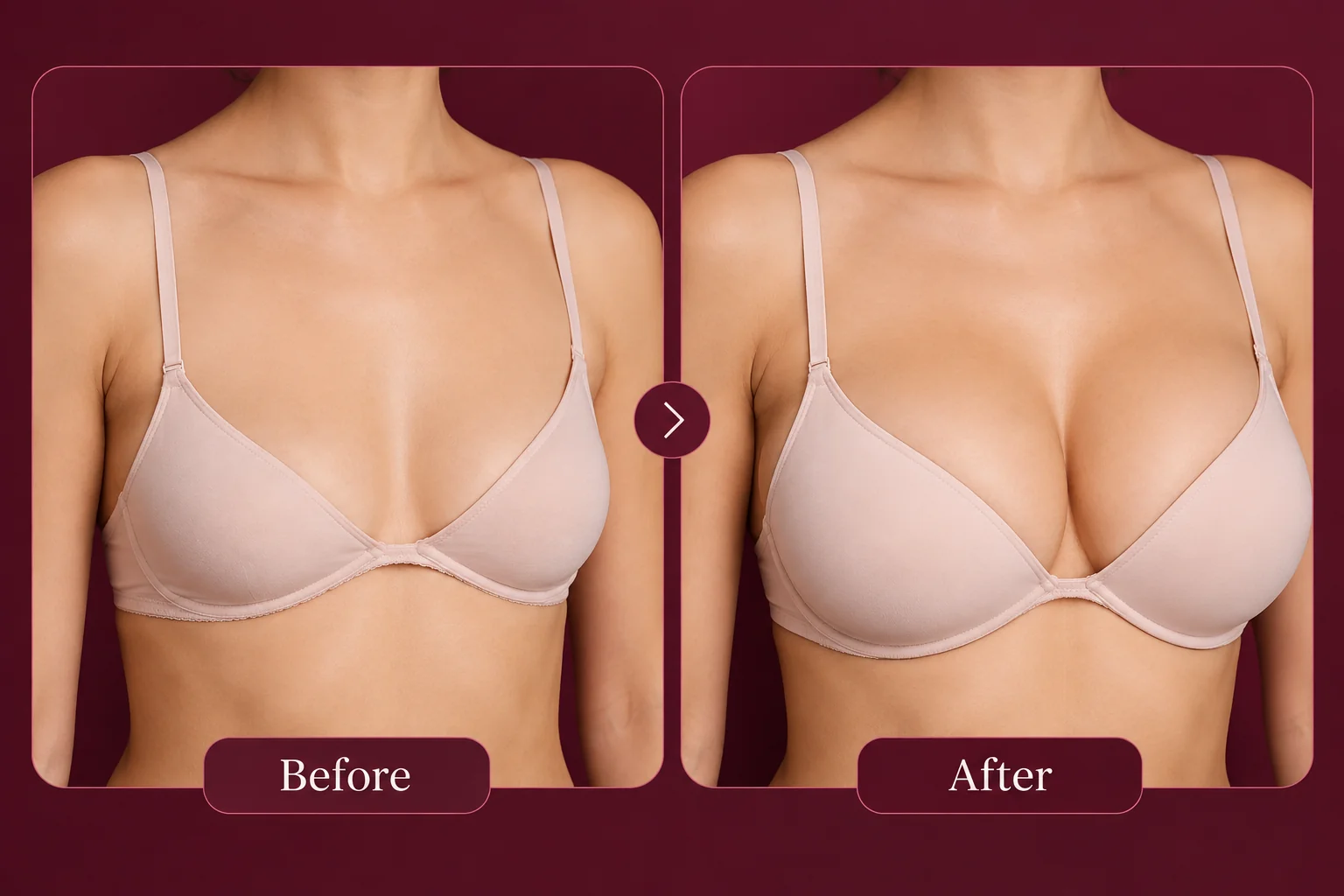
Illustrative comparison
An illustration can show a difference in size and proportion. It cannot predict what a treatment will do for you, how your tissues will heal, or what result is achievable.
Treatments
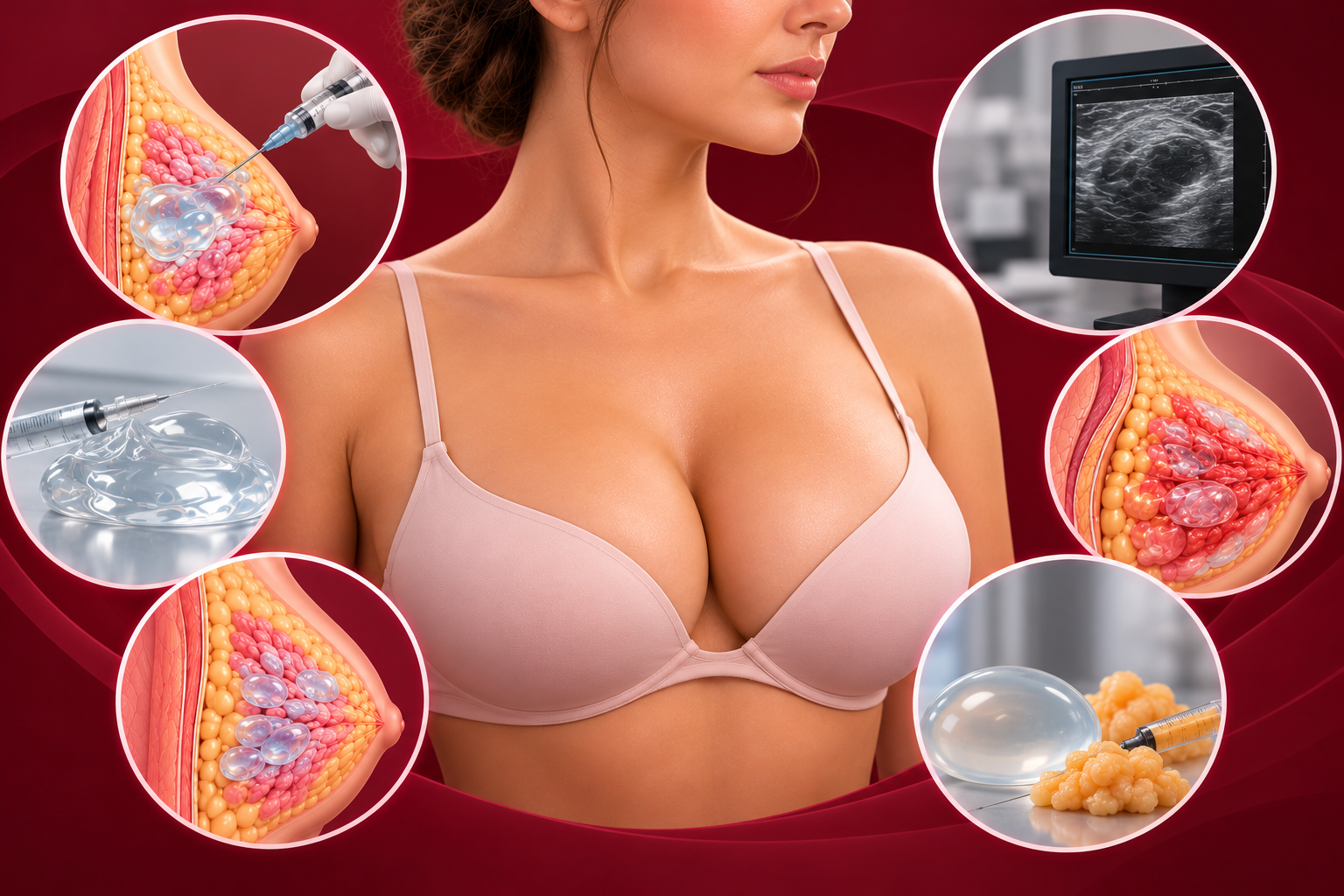
Injectable products for specific approved aesthetic indications — and why breast use raises safety questions.
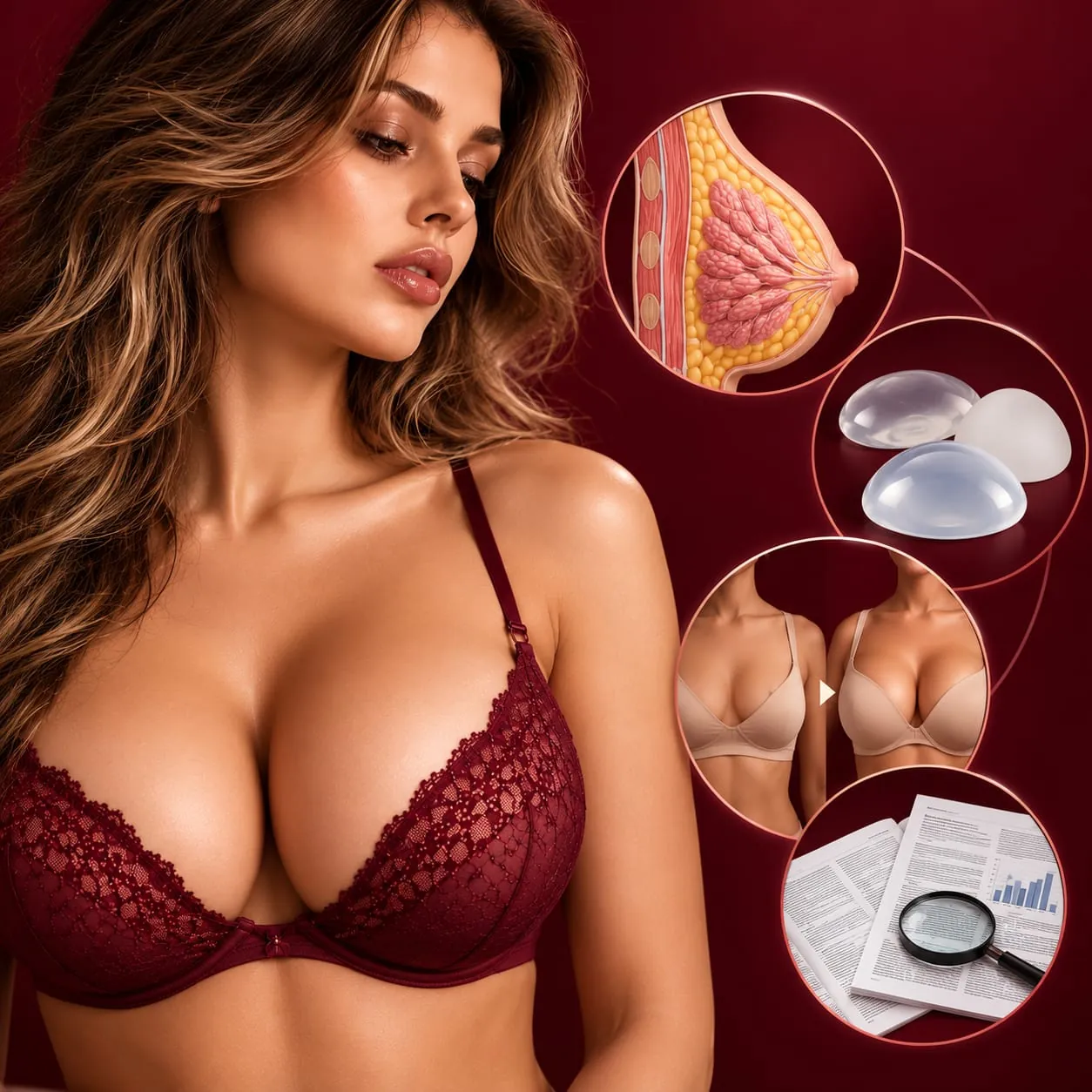
How platelet-rich plasma is prepared, what it is intended to do, and how the evidence is assessed.
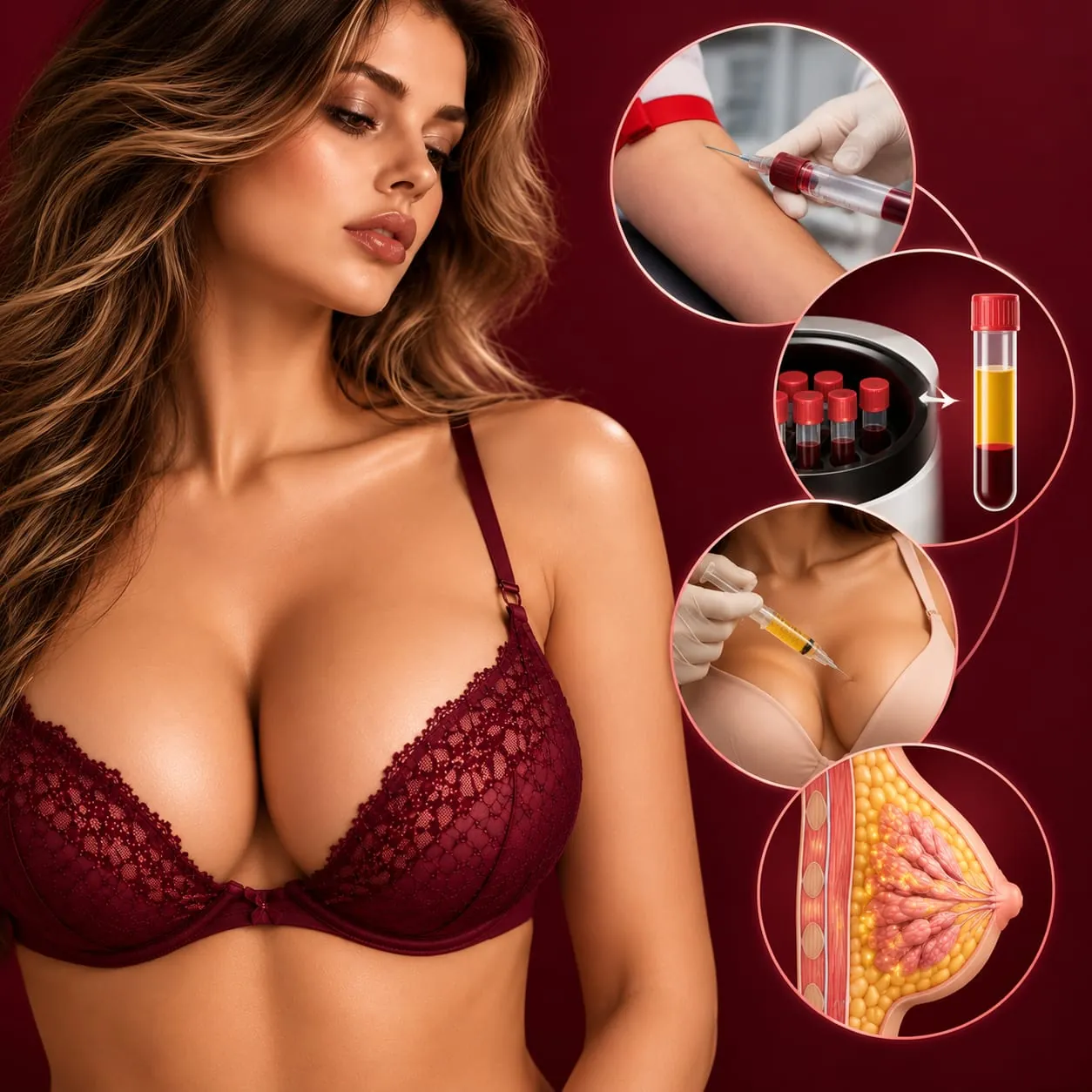
PDO and mono threads: intended mechanical effects, limitations and product-specific indications.
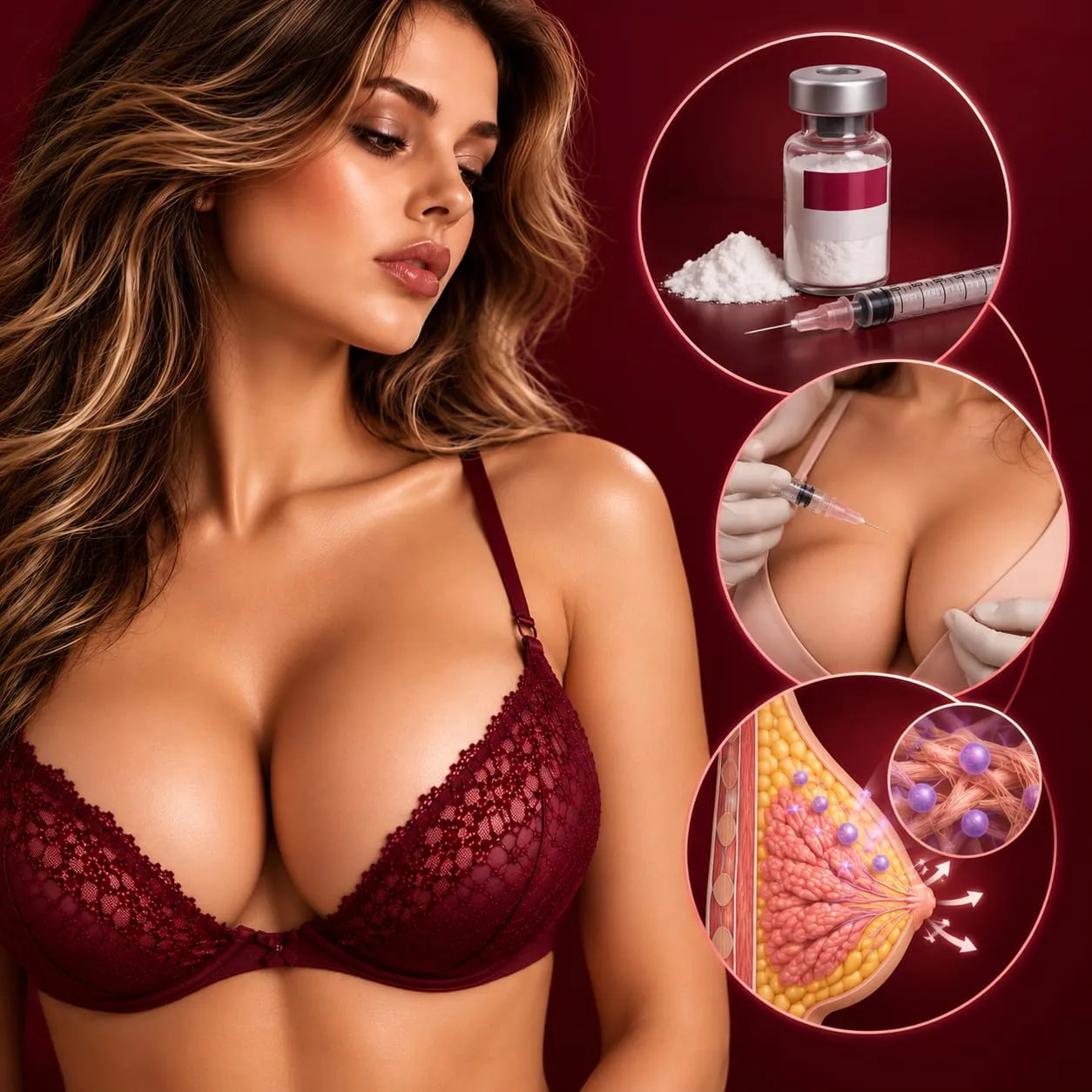
Poly-L-lactic acid and collagen-stimulating products — approved uses versus breast-use claims.
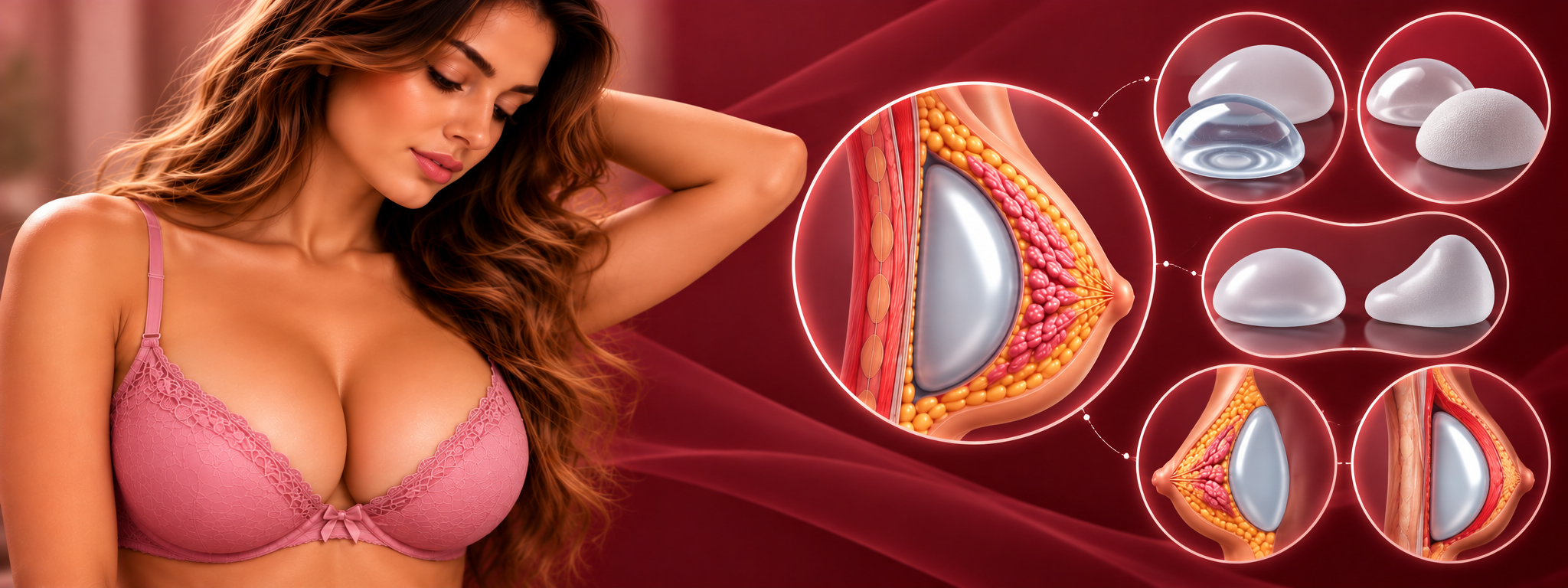
Medical devices with an outer shell and gel filling, and their long-term monitoring needs.
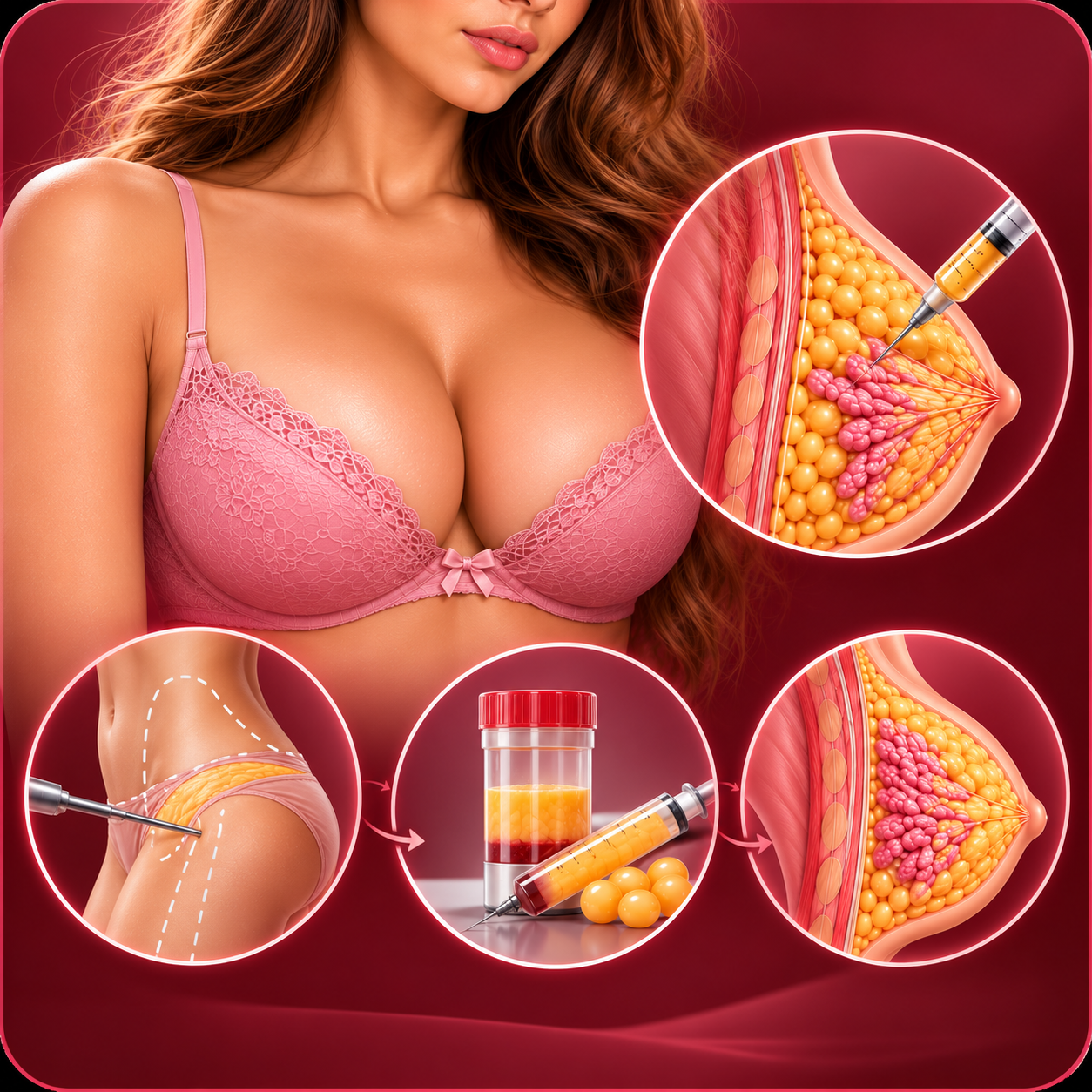
Using your own fat for a modest, individualised increase in volume, and its retention variability.
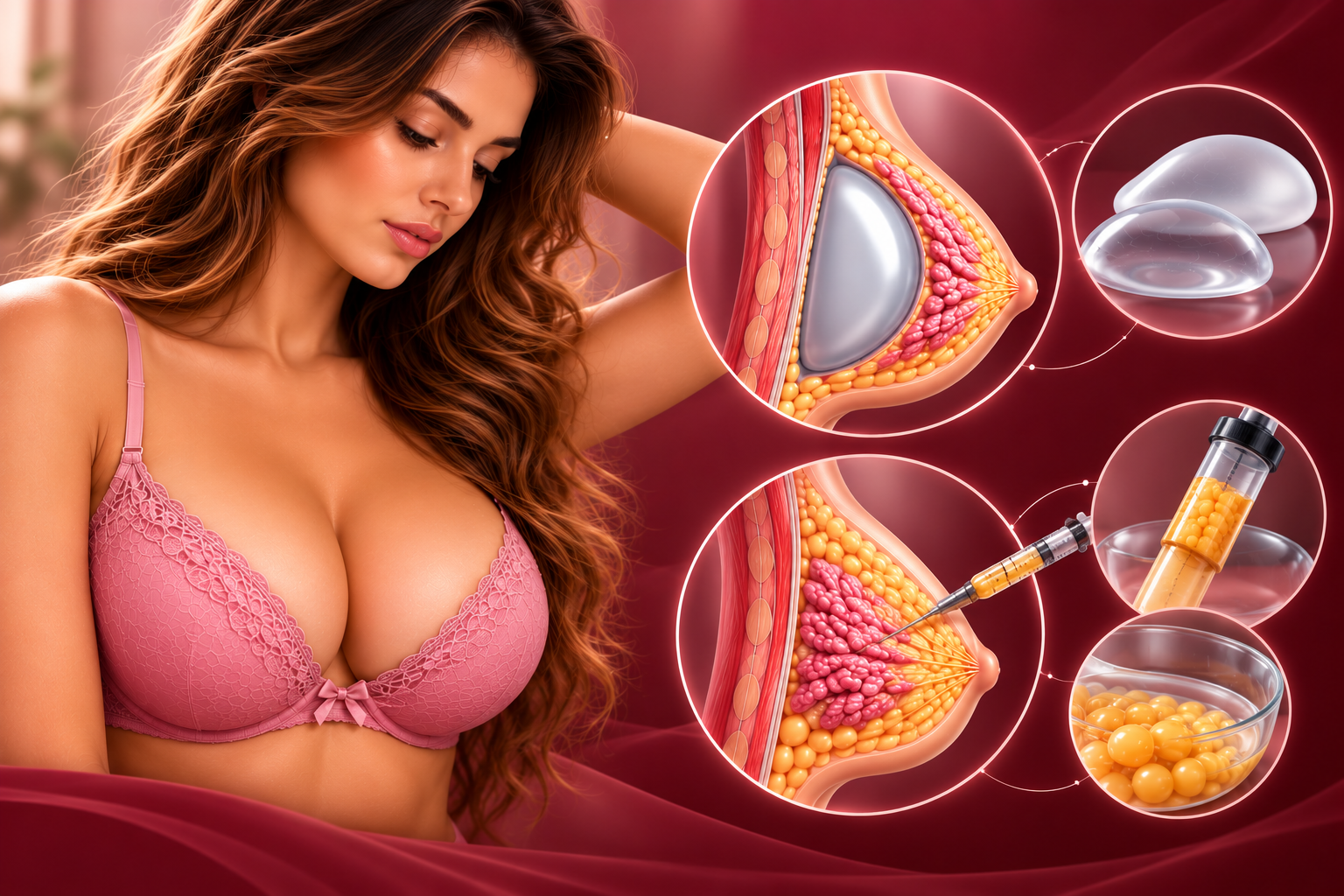
Surgical increase of breast volume using implants or, in selected cases, your own fat.
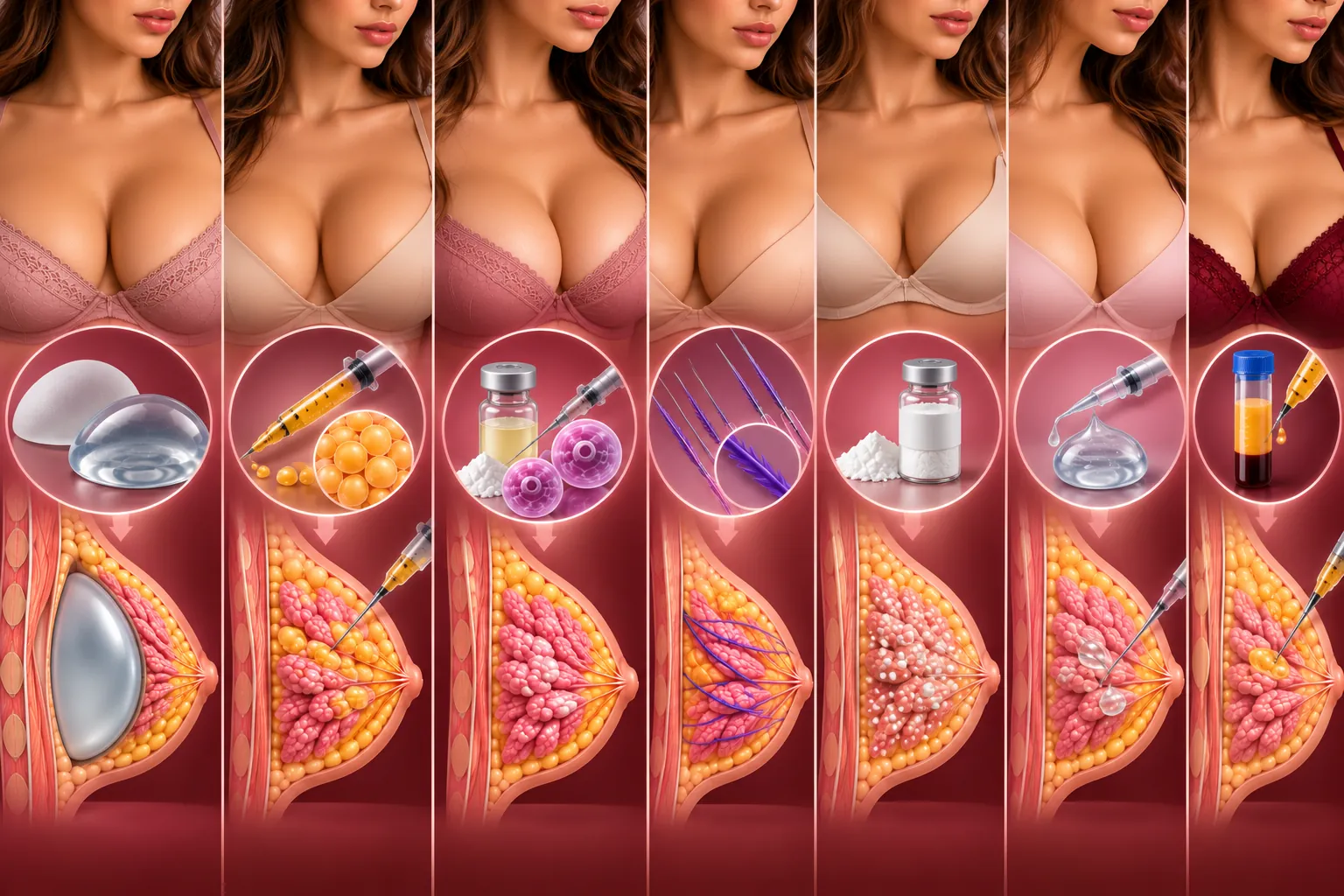
A side-by-side view of intended effect, primary consideration and important limitation.
How to use this website
Use these steps to move from exploring options to preparing informed questions. Take your time; a decision about your body should never be rushed by advertising.

Start with the surgical and non-surgical guides. Check what a treatment is intended to do, how it is performed and what it cannot reliably achieve.
Use the evidence guide and linked research sources to distinguish established findings from limited, emerging or unsupported claims. Look at the source and its limitations, not just a headline or advertisement.
Review candidacy, contraindications, possible complications, recovery and warning signs. Suitability depends on your health and circumstances and needs an individual clinical assessment.
Compare the intended effect, evidence, likely limitations, recovery, risks, alternatives and potential need for future care. Consider whether an option matches your goals—not only its advertised benefits.
Write down what matters to you and discuss it with a registered, appropriately qualified healthcare professional. Ask about their credentials, the exact product or technique, realistic outcomes, alternatives, costs, aftercare and how complications are managed. Take time to consider the answers and seek another opinion if you need one.
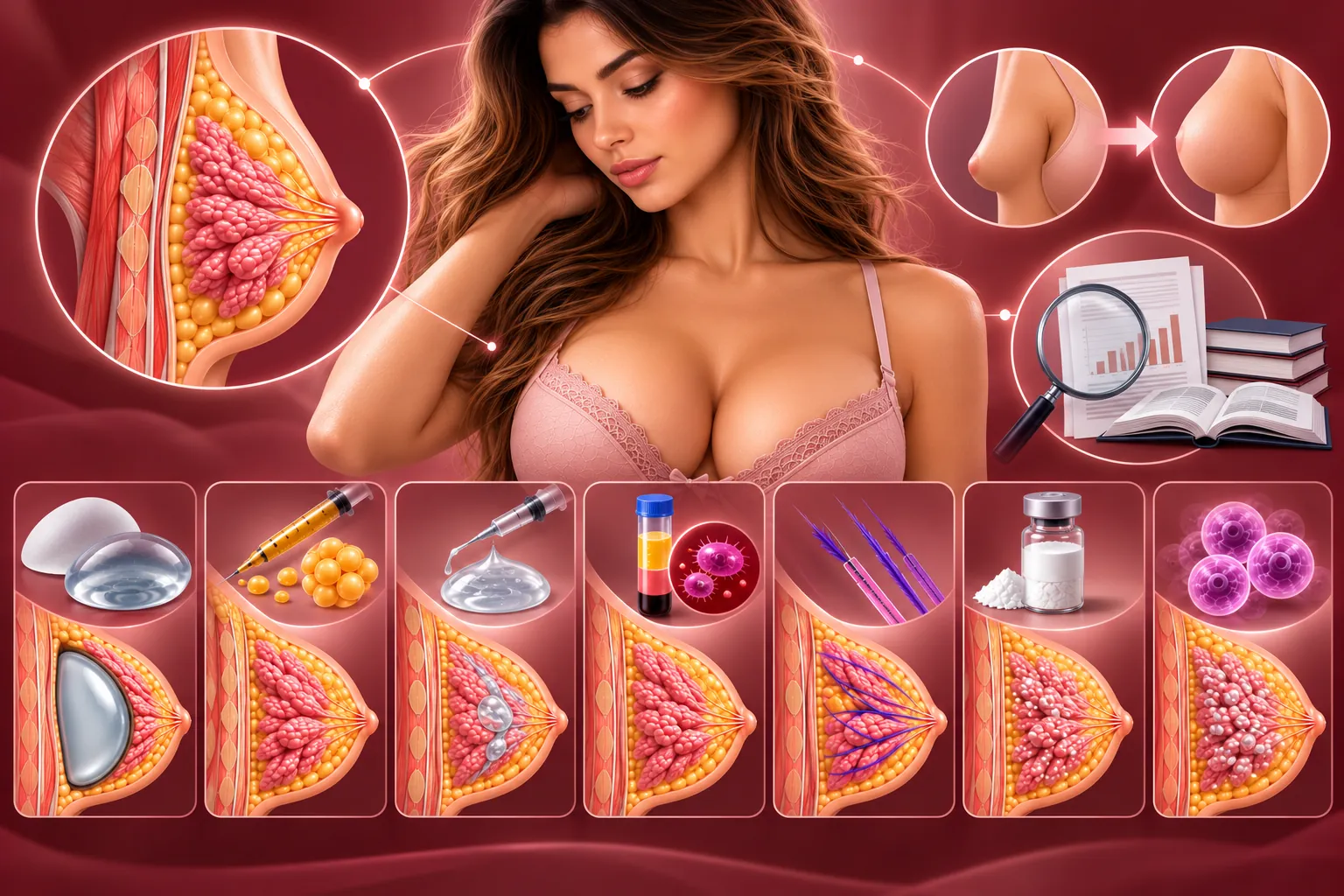
What breast enlargement means, the difference between real tissue growth and temporary appearance change, the main routes to more volume, and how to read the evidence behind any claim.
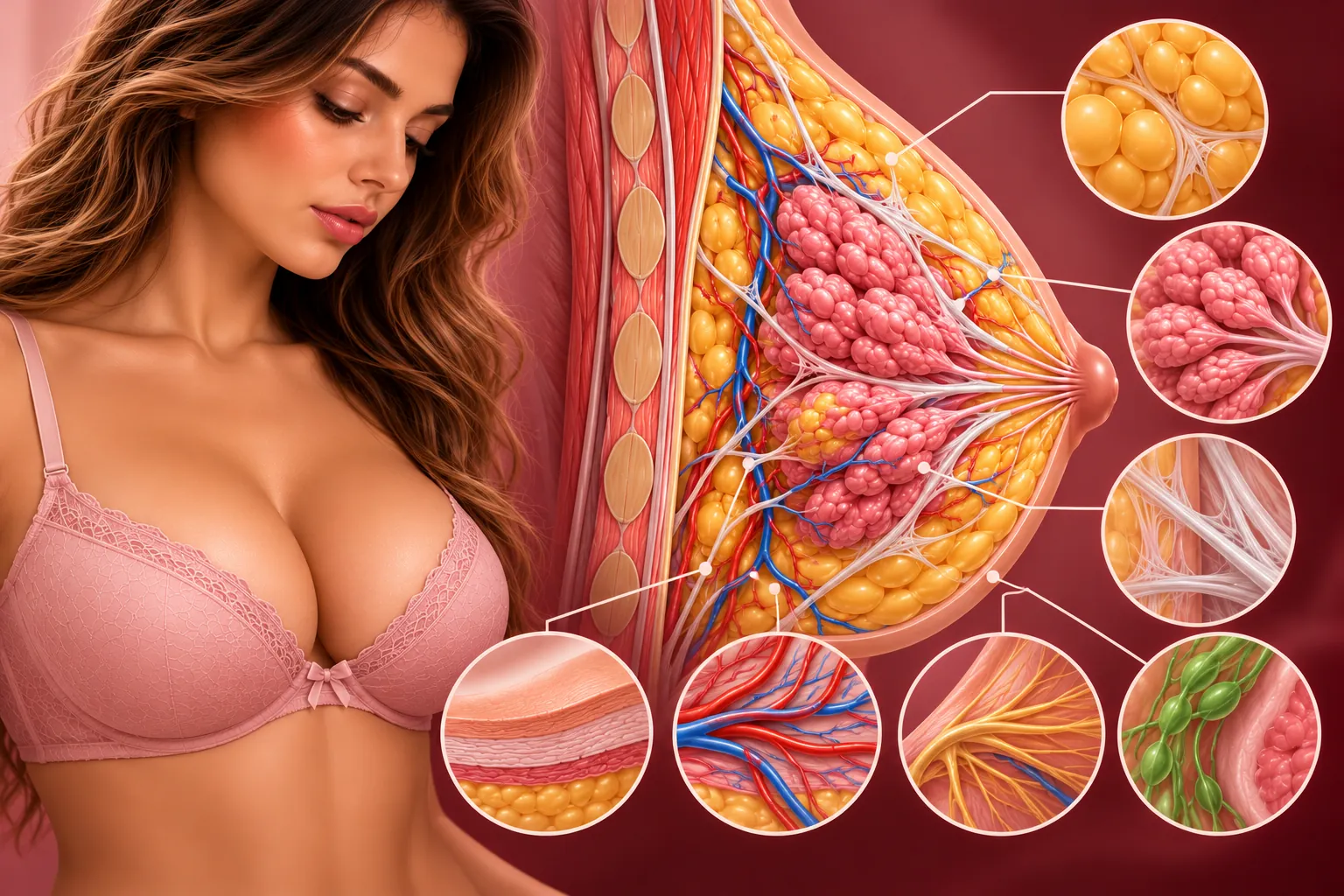
A clear guide to breast anatomy — glandular and fatty tissue, Cooper’s ligaments, skin envelope, blood supply, nerves and lymph drainage — and why each structure matters for enlargement.
A side-by-side comparison of breast enhancement options — dermal fillers, PRP, threads, Sculptra, stem cells, implants and fat transfer — and their key limitations.
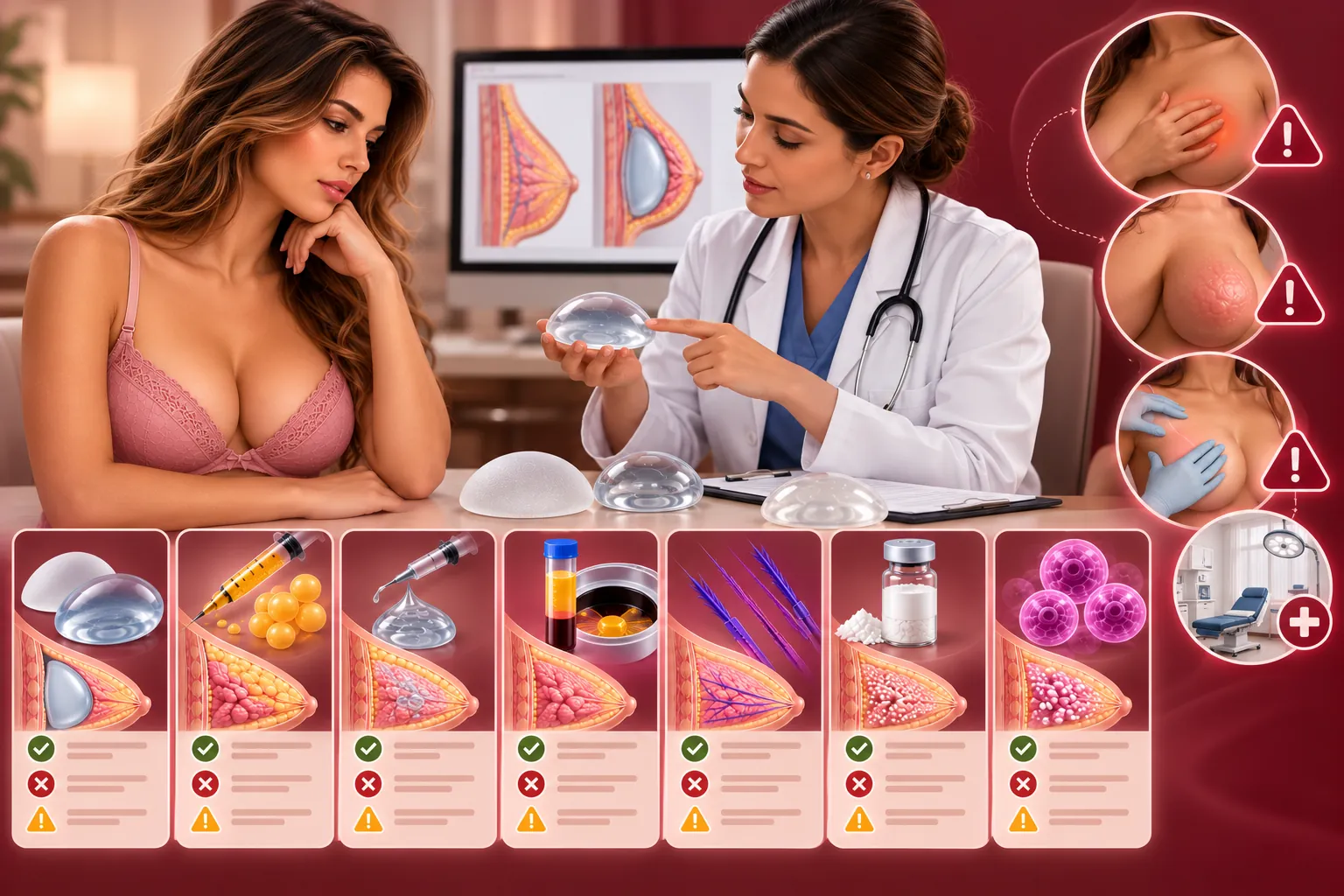
A safety overview across every breast enlargement route — candidacy and contraindications, the risks common to each option, when to seek urgent care, and the questions that reveal a safe clinic.
Your journey starts with information
Use the guides, comparisons and research libraries on this website to prepare your questions — then discuss them with a qualified, registered healthcare professional who can assess you in person.